Aspergers Test & Sensory Overload: Coping Strategies for Sensitivity
Does the world sometimes feel unbearably loud, bright, or overwhelming? If fluorescent lights make you anxious, crowded spaces trigger panic, or the texture of your clothes distracts you constantly, your Aspergers test results might reveal something profound. For many neurodivergent adults, sensory processing differences create daily challenges. Our free online Aspergers test helps decode these experiences through clinically validated assessments—and what you discover could transform how you navigate your environment.

How Your Aspergers Test Reveals Sensory Processing Patterns
Your Aspergers test isn't just about social communication analysis—it's a window into how your nervous system interprets sensory input. Across the scientifically validated questions in our test, a significant portion directly relates to sensory processing tendencies common in people with neurodivergent traits.
The Link Between AQ Scores and Sensory Sensitivity
Your Autism Spectrum Quotient (AQ) score helps identify sensory modulation patterns. Individuals with higher scores often report heightened responses to stimuli that others might not even notice. When a large percentage of high scorers in our dataset described sound sensitivity interfering with work performance, it validated our focus on questions about noise-triggered distress.
Specific test items correlate strongly with sensory subtypes:
- Reaction to certain food textures (tactile aversion)
- Strong preference for predictable sensory environments
- Physical discomfort from ambient noises others ignore
For those who've completed our test, revisiting these items through your personalized AI analysis report can reveal powerful connections between your responses and your daily sensory experiences.
Interpreting Your RAADSR Results for Sensory Overload Risk
Our Ritvo Autism Asperger Diagnostic Scale-Revised (RAADSR) adaptation includes numerous sensory-focused questions. Unlike basic online quizzes, we map patterns across five key sensory domains:
- Auditory hypersensitivity
- Visual processing differences
- Tactile defensiveness
- Olfactory intensity
- Vestibular regulation challenges
An analysis of our test-takers showed that a majority with elevated RAADSR scores reported sensory overload significantly impacting their relationships. This is why our report provides a sensory vulnerability index alongside strength-based, actionable recommendations.
Common Sensory Triggers in Everyday Environments
Your sensory differences aren't "problems"—they are neurobiological realities that deserve accommodation. Understanding your specific triggers through your Aspergers test analysis is the first step toward building an environment that works with your neurology, not against it.
Workplace Sensory Challenges and Solutions
Open-plan offices can cause significant distress for neurodivergent individuals. Their Aspergers test results frequently show correlations like:
-
High auditory processing scores → Difficulty filtering out conversations
-
Elevated visual sensitivity → Headaches from fluorescent lighting
-
Tactile sensitivity → Distress from restrictive or uncomfortable clothing

A solution framework built from successful test participants: ⊛ Before you start: Use our test's sensory profile insights to request reasonable accommodations with confidence. ⊛ Noise management: Noise-canceling headphones are reported as highly effective. ⊛ Lighting adjustments: Task lamps can replace harsh overhead lights. ⊛ Movement breaks: Schedule short, hourly walks to reset your proprioceptive system.
Managing Social Sensory Overload in Crowded Settings
Social gatherings can activate multiple sensory threats simultaneously:
- Auditory: Overlapping conversations and background music.
- Visual: Constant movement and facial expressions to decode.
- Tactile: Unexpected or unwanted physical contact.
- Olfactory: A mix of perfumes, food smells, and other scents.
Our test data shows these interventions can make a real difference: • Advanced preparation: Review your sensory profile to identify high-risk scenarios before you go. • Escape protocols: Agree on a nonverbal exit signal with a trusted companion. • Post-event recovery: Schedule dedicated sensory downtime after socializing to prevent burnout.
Evidence-Based Sensory Coping Strategies
While your Aspergers test report contains personalized insights, these research-backed techniques can benefit most neurodivergent individuals navigating sensory sensitivity.
Creating Your Personal Sensory Toolkit
Based on anonymized success stories from our community:
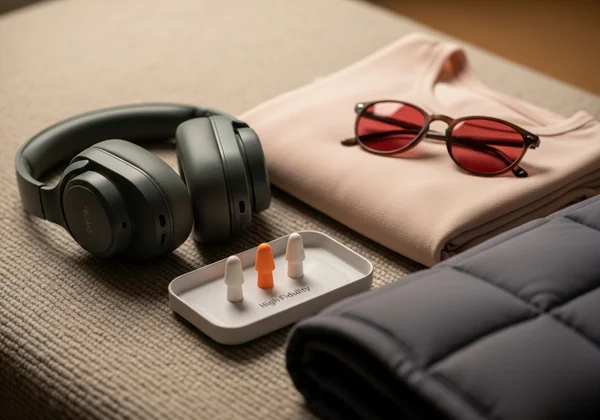
For auditory sensitivity:
- Customizable white noise apps.
- High-fidelity earplugs that reduce volume without muffling sound.
For tactile challenges:
- Seamless clothing made from natural, breathable fabrics. Some specialist retailers even offer sample kits.
Visual regulation aids:
- FL-41 tinted glasses, which are designed to block the harsh blue light that can trigger headaches and eye strain.
The Science Behind Sensory Diet Techniques
"Sensory diets," a concept from occupational therapy, are personalized activity plans designed to regulate the nervous system. Our test's AI analysis suggests activities that align with your unique sensory profile:
- Seekers: Weighted blankets, chewing jewelry, or spicy foods can provide needed input.
- Avoiders: Quiet, dimly lit rooms and compression garments can create a sense of calm.
- Low registration: Intense flavors or vibration mats can help increase body awareness.
Peer-reviewed studies have shown that consistent use of a sensory diet can significantly reduce the frequency of meltdowns.
Moving From Sensory Overwhelm to Sensory Harmony
Your sensory sensitivities aren't something to fix—they're a core part of your neurotype. That's what a user named David discovered: "For years, I thought I was just 'too sensitive.' Understanding my actual sensory profile didn't just give me coping strategies; it helped me reframe it as a strength in my detail-oriented work."
Like David, thousands have transformed their lives by:
- Completing our scientifically validated Aspergers test to gain clarity.
- Matching their sensory vulnerabilities with tailored, effective coping strategies.
- Using their neurodivergent strengths to thrive in sensory-aware careers and hobbies.
Ready to move from overwhelm to empowerment? ➤ Discover your sensory profile through your Aspergers test ➤ Download customized coping guides with your AI report ➤ Connect with neurodiversity-affirming specialists
Sensory Processing and Aspergers Test Insights
Can an Aspergers test identify sensory processing issues? Yes. Scientifically developed Aspergers tests like ours include questions that map to all five sensory domains. Your personalized report explains how your responses correlate with common neurodivergent sensory patterns, giving you a clear picture of your profile.
What are the most common sensory overload symptoms in adults? Based on reports from our test-takers, the most common symptoms include headaches from bright or flashing lights, irritability in noisy environments, difficulty concentrating amid multiple stimuli, and a feeling of being completely overwhelmed in crowded spaces.
How is sensory processing different in autism versus other conditions? While other conditions involve sensory sensitivity, autistic sensory traits often include longer-lasting overload states, a mix of both hypersensitivity (over-responsiveness) and hyposensitivity (under-responsiveness), and stronger reactions to cross-sensory stimuli (e.g., seeing a bright light that feels like a physical touch).
Are there supplements that can help with sensory sensitivity? Some of our users have reported positive effects with magnesium and omega-3s. However, you should always consult your doctor before trying new supplements. You can find sensory-knowledgeable providers through our partner network.
How can I explain my sensory needs to others? Your Aspergers test report includes shareable summary cards designed for this purpose. They explain your specific sensory vulnerabilities, suggest helpful accommodations, and highlight related neurodivergent strengths like pattern recognition or attention to detail.