Asperger's Test for Adults: Definitive Guide to Symptoms & Traits
Are you curious about Asperger's Syndrome, its characteristics, and how it fits into the broader spectrum of neurodiversity? Many adults find themselves asking, 'What is Asperger's Syndrome?' and wondering if it applies to them or if an online Asperger's test could offer clarity. This comprehensive guide aims to demystify Asperger's, offering clear definitions, exploring common traits, debunking myths, and providing a foundational understanding for your journey of self-discovery or supporting loved ones.
The path to self-awareness often begins with a single question. If you're looking for a structured way to explore your own traits, our scientifically-based screening tool can offer valuable insights. You can take our online test to begin your exploration.
Understanding Asperger's Syndrome: Definition & Its Place in the Autism Spectrum
Understanding Asperger's Syndrome today means looking at its history and its current place within the broader Autism Spectrum Disorder (ASD) diagnosis. While the term "Asperger's" is still widely used in communities and for self-identification, the official medical terminology has evolved.
From Hans Asperger to the DSM-5: A Brief History
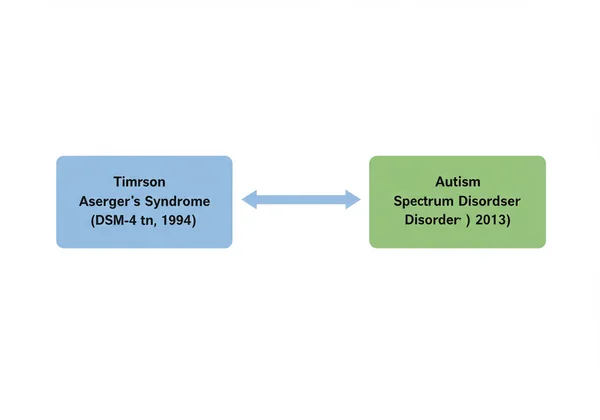
The term originates from Hans Asperger, an Austrian pediatrician who, in the 1940s, described a group of children with distinct patterns in behavior and social abilities. In 1994, Asperger's Syndrome was officially added to the Diagnostic and Statistical Manual of Mental Disorders (DSM-4), classifying it as a distinct Pervasive Developmental Disorder.
However, in 2013, the DSM-5 was released, and the diagnosis of Asperger's Syndrome was absorbed into a single, broader category: Autism Spectrum Disorder (ASD). This change recognized that Asperger's was not a separate condition but part of a wider spectrum of neurodevelopmental profiles, distinguished primarily by the absence of speech or cognitive delays in early childhood.
Understanding Neurodiversity: Asperger's Within the Autism Spectrum
Today, Asperger's is best understood as a neurotype within the autism spectrum, often corresponding to what was previously considered "high-functioning autism." The neurodiversity movement champions the idea that neurological differences, like autism, are natural variations in the human brain rather than deficits to be cured. It frames the conversation around unique strengths and challenges, fostering a more positive and accepting perspective. This approach aligns with a journey toward self-understanding, which can start with a preliminary screening tool.
Unpacking Asperger's Traits: Common Characteristics
Individuals with an Asperger's profile experience the world differently. While every person is unique, there are several common areas where these traits often manifest. Recognizing these can be a key part of understanding yourself or others before taking an Asperger's test for adults.
Social Communication and Interaction Patterns
Social communication differences are often the most recognized area. Challenges may not be about a lack of desire to connect but rather a difference in the intuitive "how." This can include difficulty reading nonverbal cues like body language or tone of voice, taking conversations literally, or finding small talk confusing. Communication is often direct and honest, which can be a great strength but may sometimes be perceived as blunt.

Restricted Interests and Repetitive Behaviors
A hallmark of the Asperger's profile is the presence of deep, passionate, and highly focused interests in specific subjects. These "special interests" go far beyond a typical hobby, involving intense information gathering and dedication. There may also be a strong preference for routine and predictability, with change causing significant stress. Repetitive movements, such as fidgeting, can be a way to self-soothe or manage anxiety.
Sensory Sensitivities: How Asperger's Impacts Perception
Many individuals with Asperger's have a different sensory experience. This can mean being hypersensitive (over-responsive) to things like bright lights, loud noises, certain textures in food or clothing, or strong smells. Conversely, some may be hyposensitive (under-responsive) and seek out strong sensory input. This sensory profile can significantly impact daily life and comfort levels.
Motor Skills and Coordination: Common Observations
Some, though not all, individuals with an Asperger's profile may experience challenges with motor skills. This might include clumsiness, a slightly unusual gait, or difficulties with tasks requiring fine motor coordination, such as handwriting. These physical traits are another piece of the overall neurological picture.
Asperger's vs. Autism: Clarifying the Distinctions
One of the most common questions is how Asperger's differs from other forms of autism. The answer lies in both the history of the diagnosis and the specific presentation of traits.
Why the Terminology Evolved: From Asperger's to ASD
The main reason for merging Asperger's into the broader ASD category in the DSM-5 was to acknowledge that the underlying neurobiology is the same. It's a spectrum, not a collection of separate conditions. The shift aimed to provide more consistent and accurate diagnoses, ensuring everyone on the spectrum has access to the support they need without arbitrary lines drawn between labels.
Key Differences and Overlaps in Presentation
Historically, the primary distinction was that a diagnosis of Asperger's required no significant delays in early language development or cognitive function. Individuals with Asperger's typically have average to above-average intelligence and develop speech on a typical timeline. The core challenges in social interaction and the presence of intense interests overlap significantly with the broader autism spectrum. For many, the first step to untangling these nuances is to explore your traits in a private, reflective way.
Positive Traits of Asperger's: Embracing Unique Strengths
Focusing only on challenges provides an incomplete picture. The neurotype associated with Asperger's comes with a host of incredible strengths that can be leveraged in personal and professional life.
Attention to Detail, Logic, and Problem-Solving Skills
The ability to focus intensely allows for an exceptional level of precision and attention to detail. Many individuals excel at recognizing patterns, analyzing systems, and approaching problems with pure logic. This makes them invaluable in fields that require accuracy, data analysis, and innovative thinking.
Authenticity and Direct Communication Styles
A preference for direct, honest, and unambiguous communication is a significant strength. People with an Asperger's profile are often seen as highly trustworthy, authentic, and loyal. They say what they mean and are less likely to engage in social games, making for deeply genuine relationships with those who understand and appreciate their style.
What are the Symptoms of Undiagnosed Asperger's in Adults?
For many adults, the journey to understanding begins with a lifelong feeling of being "different" without knowing why. Undiagnosed Asperger's can manifest as chronic exhaustion from "masking" or trying to fit into neurotypical social norms, persistent social anxiety, or a history of misunderstandings in relationships.
Hidden Traits: Recognizing Asperger's in Women and Diverse Genders
Historically, Asperger's and autism have been under-diagnosed in women and individuals of diverse genders. This is because traits may present differently. Women are often more adept at masking their social difficulties, may have more "socially acceptable" special interests (e.g., literature, psychology, animals), and internalize their stress, leading to misdiagnoses like anxiety or depression.
When to Consider an Assessment: Your Path to Self-Understanding
If you recognize yourself in these descriptions, seeking clarity can be an empowering step. It's less about finding a label and more about gaining a framework for self-acceptance. A reliable Asperger's test online can provide valuable initial insights. The free Aspergers test on our site is an excellent, pressure-free starting point before deciding whether to pursue a formal diagnosis.

Empowering Understanding: Your Next Steps in Exploring Asperger's
Understanding what Asperger's Syndrome is—a unique neurological profile within the autism spectrum—is the beginning of a powerful journey. It's about shifting perspective from deficit to difference, recognizing challenges, and celebrating profound strengths. Knowledge dispels myths and replaces confusion with clarity, paving the way for self-acceptance and better strategies for navigating the world.
If this guide has resonated with you, your next step is to explore these traits more personally. We invite you to start your journey on our homepage with our confidential, scientifically-backed Asperger's test. It’s a tool designed not to label, but to illuminate.
The Takeaway
Online Asperger's Tests: Can I self-screen for Asperger's?
Yes, you can use an online screening tool as a first step. While not a formal diagnosis, a reliable online Asperger's test offered here is based on recognized clinical scales. It can provide valuable insights into your traits and help you decide if you wish to seek a professional evaluation.
How do I get officially tested for Asperger's Syndrome?
An official diagnosis for Autism Spectrum Disorder (which now includes the Asperger's profile) must be conducted by a qualified healthcare professional, such as a psychologist, psychiatrist, or neurologist. The process typically involves detailed interviews about your developmental history, observational assessments, and standardized tests.
What looks like Asperger's but isn't always?
Several conditions can have overlapping traits with an Asperger's profile. These can include Social Anxiety Disorder, Obsessive-Compulsive Disorder (OCD), Nonverbal Learning Disability (NVLD), and Attention-Deficit/Hyperactivity Disorder (ADHD). A comprehensive professional evaluation is the only way to differentiate between them accurately.
Do people with Asperger's have empathy?
This is a common and harmful myth. People with an Asperger's profile absolutely have empathy. They may, however, express it differently or have difficulty with "cognitive empathy"—intuitively guessing what another person is thinking or feeling without it being stated directly. Their "affective empathy"—the ability to feel another's emotions—is often very strong, sometimes even overwhelming.
What are the best resources for learning more about Asperger's?
Starting with a comprehensive and trustworthy online hub is key. Our website aims to be such a resource, offering not just a test but also informative articles. Exploring your results with our unique get your AI report feature can provide personalized insights that serve as a fantastic educational tool on your path to self-discovery.